
The e-commerce landscape in Nepal has changed. With the introduction of the E-commerce Act 2081 (2025) and a massive shift toward mobile payments, simply “having a website” isn’t enough anymore. You need a legal, secure, and user-friendly platform.
Whether you’re a startup or an established brand, this guide answers every question you have about building an online store in Nepal.
1. Is it legal to sell online in Nepal? (The New 2025 Law)
Yes, but the rules are stricter now. According to the E-commerce Act 2081, every online business must:
- Mandatory Registration: Register your platform with the Department of Commerce, Supplies and Consumer Protection (DoCSCP).
- Display Details: Your website must clearly display your Business Name, PAN/VAT number, and contact details.
- Return & Refund: You are legally required to have a clear return and refund policy. If a product doesn’t match the description, the buyer has the right to a full refund within a specified time.
2. How Much Does an E-commerce Website Cost in Nepal?
In 2025, pricing depends on your technology and scale:
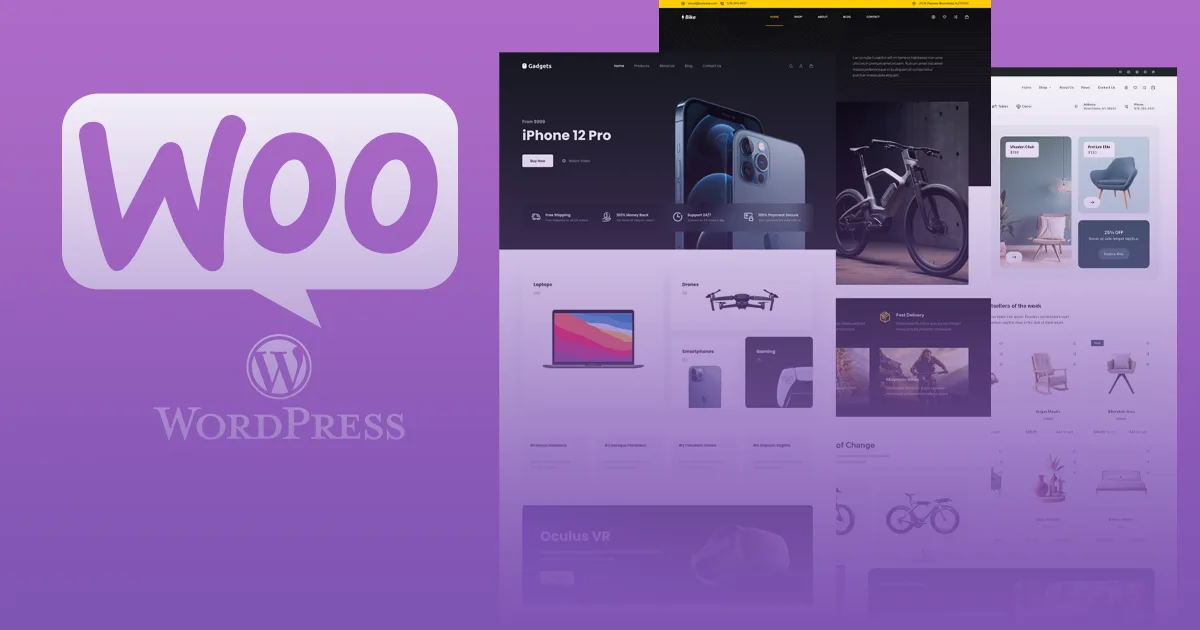
- Basic WooCommerce (WordPress) Store: NPR 45,000 – NPR 80,000. (Best for small businesses).
- Mid-Range Custom Store: NPR 80,000 – NPR 2,00,000. (Custom design and multiple integrations).
- Enterprise-Level Systems: NPR 3,00,000+. (For large inventories and mobile apps).
Pro Tip: Don’t forget the yearly “digital rent.” Domain and hosting usually cost between NPR 5,000 to NPR 15,000 per year.
3. Which Payment Gateway should I choose?
This is the most common question. In Nepal, your store needs to support “The Big Three”:
- eSewa: The market leader with the largest user base.
- Khalti: Excellent developer support and a modern UI.
- FonePay: Best for “Direct Bank-to-Bank” QR payments.
My Recommendation: Integrate all three using a unified API or separate plugins to ensure you never miss a sale because a customer uses a specific wallet.
4. How do I handle Shipping and Logistics?
You don’t need to buy your own delivery vans. You can partner with local logistics experts:
- Inside Valley: Companies like Pathao Courier, Upaya, or Nepal Can Move.
- Outside Valley: Nepal Can Move and Aramex have the widest reach.
- Automation: Modern WooCommerce sites can be integrated with these services to calculate shipping costs automatically based on the delivery location.
5. Essential Checklist for Your Online Store
Before you launch, ensure your site has these 5 elements:
- Mobile-First Design: 85% of shoppers in Nepal use their phones.
- SSL Certificate: That little “padlock” icon is mandatory for security and SEO.
- Local SEO: Optimizing for terms like “Buy [Product] in Nepal.”
- WhatsApp Chat Integration: Nepali customers love to “ask before they buy.”
- High-Quality Photography: Since they can’t touch the product, the photo must sell it.
6. Steps to Get Started Today
- Register Your Business: Choose between a Sole Proprietorship or Pvt. Ltd.
- Get your PAN/VAT: Essential for opening a business bank account.
- Select your Niche: Research what people are searching for on Google Trends and Facebook Marketplace.
- Hire a WooCommerce Expert: (Like me!) To build a site that is compliant with the E-commerce Act 2081.
Conclusion
Starting an e-commerce business in Nepal is a marathon, not a sprint. By focusing on legal compliance, local payment ease, and a fast user experience, you can build a brand that lasts.
I will help you to build a complete functional ecommerce website for your business.





Leave a Reply